


Are beaded cable ties waterproof? This is a question that many customers often ask me as a supplier of Beaded Cable Ties. In this blog, I will delve into this topic, providing a scientific and detailed analysis to help you better understand the waterproof properties of beaded cable ties.
Understanding Beaded Cable Ties
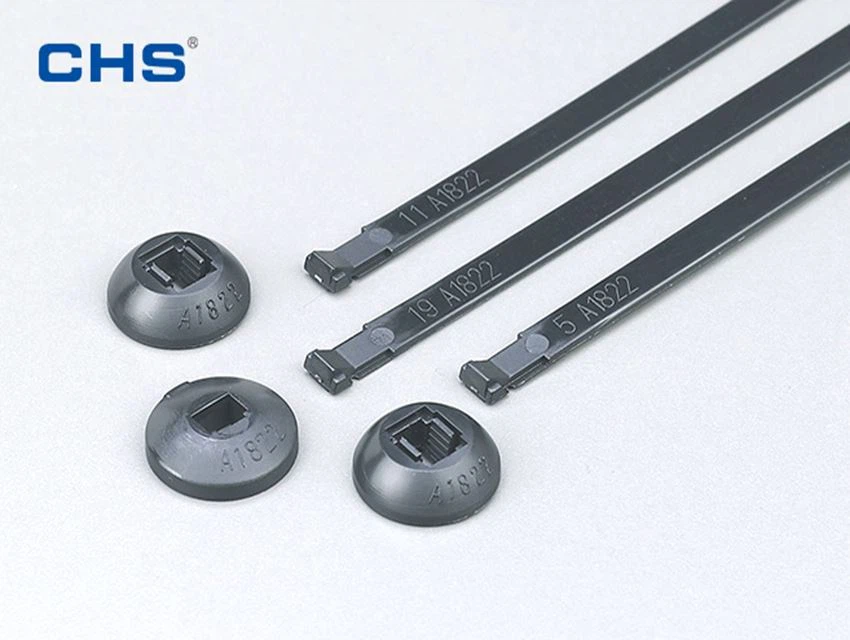
Before discussing their waterproof nature, let's first understand what beaded cable ties are. Beaded cable ties are a type of cable management solution that features a series of beads along the length of the tie. These beads can serve various purposes, such as providing additional grip, allowing for easy identification, or adding a decorative element. They are commonly used in a wide range of industries, including electronics, automotive, and construction, to organize and secure cables, wires, and other items.

Materials and Construction
The waterproofness of beaded cable ties largely depends on the materials used in their construction. Most beaded cable ties are made from high - quality plastics, such as nylon or polyethylene.
Nylon is a popular choice due to its excellent strength, durability, and resistance to abrasion. It also has good chemical resistance, which means it can withstand exposure to various substances. Polyethylene, on the other hand, is known for its flexibility, lightweight, and resistance to moisture.
The manufacturing process of beaded cable ties also plays a crucial role. A well - made beaded cable tie will have a smooth and continuous surface, without any gaps or holes that could allow water to penetrate. The beads themselves are usually integrated into the tie in a way that does not compromise its integrity.
Waterproofing Capabilities
In general, beaded cable ties made from nylon or polyethylene have a certain degree of waterproofness.
Nylon has a relatively low water absorption rate. When exposed to water, it will absorb only a small amount of moisture, which does not significantly affect its mechanical properties. This means that nylon beaded cable ties can withstand short - term exposure to water without losing their strength or functionality.
Polyethylene is even more resistant to water. It is hydrophobic, which means it repels water. Polyethylene beaded cable ties can be used in wet environments for extended periods without any significant degradation.
However, it's important to note that the waterproofness of beaded cable ties has its limitations. If they are submerged in water for a long time or exposed to high - pressure water jets, there is a risk that water may seep into the tie or around the locking mechanism.
Factors Affecting Waterproofness
Several factors can affect the waterproofness of beaded cable ties:
- Quality of Manufacturing: As mentioned earlier, a well - made tie with a seamless construction will be more waterproof. Any defects in the manufacturing process, such as cracks or uneven surfaces, can compromise the tie's ability to keep water out.
- Environmental Conditions: Extreme temperatures, chemicals, and UV radiation can all affect the waterproof properties of beaded cable ties. For example, prolonged exposure to UV rays can cause the plastic to degrade, making it more porous and less waterproof.
- Type of Application: The way the beaded cable tie is used also matters. If it is used to secure cables in a tight bundle, there may be less room for water to penetrate. However, if it is used in an open or exposed area, it may be more vulnerable to water ingress.
Comparing with Other Types of Cable Ties
Let's compare beaded cable ties with some other common types of cable ties in terms of waterproofness.
PE Ties are similar to beaded cable ties in that they are often made from polyethylene. They have excellent waterproof properties and are suitable for use in wet environments. However, they may not have the added features of beaded cable ties, such as the decorative beads or enhanced grip.
Self Locking Cable Tie is a popular type of cable tie known for its ease of use. They can be made from various materials, including nylon and polyethylene. Their waterproofness depends on the material and the quality of the locking mechanism. If the locking mechanism is not properly sealed, water may enter the tie.
Chassis Cable Ties are designed for use in automotive and electronic chassis applications. They are usually made from high - strength materials and are often required to have good waterproof properties. Similar to beaded cable ties, their waterproofness is influenced by the material and manufacturing quality.
Real - World Applications
Beaded cable ties are used in many real - world applications where waterproofness is a concern.
In the marine industry, they are used to secure cables and wires on boats and ships. These environments are constantly exposed to water, so the waterproofness of the cable ties is crucial to ensure the proper functioning of electrical systems.
In outdoor lighting installations, beaded cable ties are used to organize and secure the wiring. They need to withstand rain, snow, and other weather conditions, making their waterproof properties essential.
Conclusion
So, are beaded cable ties waterproof? The answer is yes, to a certain extent. Beaded cable ties made from nylon or polyethylene have good waterproof properties and can be used in a variety of wet environments. However, their waterproofness is not absolute, and it can be affected by factors such as manufacturing quality, environmental conditions, and the type of application.
If you are in need of high - quality beaded cable ties for your projects, whether it's for marine, outdoor, or other applications, I encourage you to reach out to me. I am committed to providing the best products and services to meet your specific needs. Let's start a conversation about your cable management requirements and find the perfect solution together.
References
- "Plastics in Cable Management: Properties and Applications" - A technical report on the use of plastics in cable ties.
- "Marine Electrical Systems: Best Practices for Cable Management" - A guide on cable management in marine environments.
- "Outdoor Lighting Installation Handbook" - A resource on cable management for outdoor lighting projects.
