


Are PE ties safe for food contact? This is a question that often arises in industries where food safety is of paramount importance. As a supplier of PE Ties, I have encountered numerous inquiries regarding the safety of using PE ties in food - related applications. In this blog post, I will delve into the science behind the safety of PE ties for food contact, examining their composition, regulatory compliance, and potential risks.
Understanding PE Ties
PE, or polyethylene, is a widely used thermoplastic polymer. It is known for its durability, flexibility, and chemical resistance. PE ties are made from this material and are commonly used in various industries for bundling, securing, and organizing items. Their versatility makes them a popular choice, but when it comes to food contact, additional factors need to be considered.
The composition of PE ties is relatively simple. Polyethylene is composed of long chains of ethylene monomers. These chains give the material its physical properties. In general, polyethylene is considered to be a relatively inert material, meaning it does not react easily with other substances. This is an important characteristic when it comes to food contact, as it reduces the risk of chemical migration into the food.
Regulatory Compliance
One of the key factors in determining the safety of PE ties for food contact is regulatory compliance. Different countries and regions have established specific regulations regarding the use of materials in contact with food. In the United States, the Food and Drug Administration (FDA) has strict guidelines for food - contact materials. These guidelines ensure that materials used in food processing, packaging, and storage do not pose a risk to human health.
PE ties that are intended for food contact must meet the FDA's requirements for food - contact substances. This includes passing tests for migration of chemicals into food. The FDA sets limits on the amount of substances that can migrate from a food - contact material into food under specific conditions of use. These conditions take into account factors such as the type of food, the temperature of contact, and the duration of contact.
In the European Union, the European Food Safety Authority (EFSA) also regulates food - contact materials. Similar to the FDA, the EFSA has established safety standards for materials in contact with food. PE ties sold in the EU must comply with these standards to ensure the safety of consumers.
Potential Risks
While PE is generally considered to be a safe material for food contact, there are still some potential risks that need to be considered. One of the main concerns is the presence of additives in the PE ties. Additives are often used in the manufacturing process to improve the properties of the material, such as its color, flexibility, or UV resistance.
Some additives may pose a risk if they migrate into the food. For example, certain plasticizers or stabilizers may be used in the production of PE ties. If these additives are not approved for food contact or if they are used in excessive amounts, they could potentially migrate into the food and cause health problems.
Another potential risk is the physical contamination of the PE ties. During the manufacturing, handling, or storage process, the ties may come into contact with dirt, dust, or other contaminants. If these contaminants are not removed before the ties are used in food - related applications, they could contaminate the food.
Mitigating Risks
To ensure the safety of PE ties for food contact, it is important to take steps to mitigate the potential risks. As a supplier, we have strict quality control measures in place to ensure that our PE Ties meet the highest safety standards.
We carefully select the raw materials used in the production of our ties. Only high - quality polyethylene resins that are approved for food contact are used. We also limit the use of additives to those that are approved for food contact and are used in accordance with regulatory guidelines.
In addition, our manufacturing facilities are clean and well - maintained to prevent physical contamination of the ties. We have procedures in place for the proper handling and storage of the ties to ensure that they remain clean and free from contaminants.
Applications in the Food Industry
PE ties have several applications in the food industry. They can be used for bundling food products, such as vegetables or fruits, for easy handling and display. They can also be used in food processing facilities to secure hoses, cables, or other equipment.
In the packaging of food products, PE ties can be used to seal bags or packages. Their flexibility and strength make them suitable for this application. However, it is important to ensure that the ties are in direct contact with the food only if they are specifically designed and approved for such use.
Comparison with Other Types of Cable Ties
When considering the use of cable ties in the food industry, it is also useful to compare PE ties with other types of cable ties, such as Chassis Cable Ties and Buckle Cable Ties.

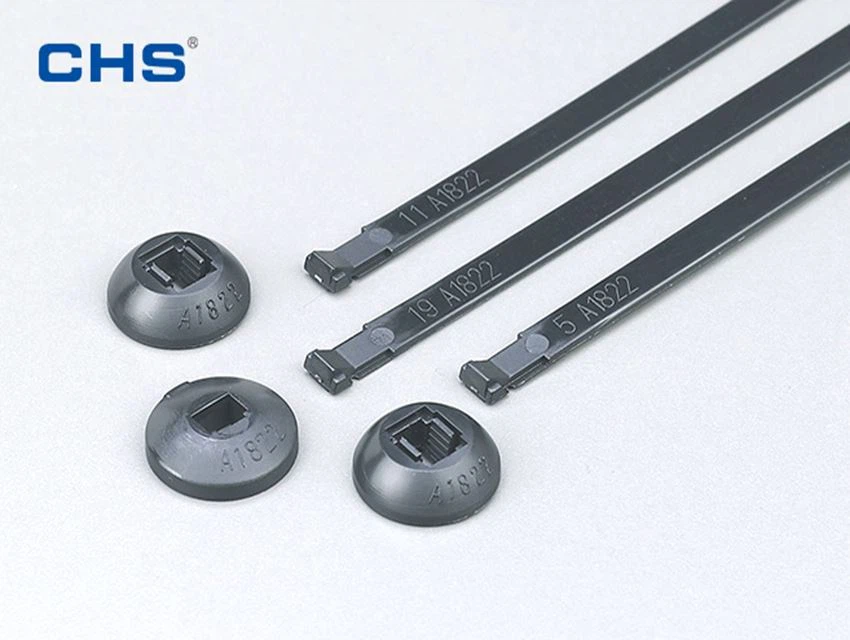
Chassis cable ties are typically made of nylon and are known for their high strength and durability. However, nylon may not be as suitable for food contact as PE in some cases. Nylon can absorb moisture, which could potentially lead to the growth of bacteria or mold if used in a food - related environment.
Buckle cable ties are also available in different materials, including nylon and PE. The choice between the two materials depends on the specific application and the requirements for food safety. In general, PE buckle cable ties may be a better choice for food contact due to the relatively inert nature of polyethylene.
Conclusion
In conclusion, PE ties can be safe for food contact if they are manufactured and used in accordance with regulatory standards. Their composition, regulatory compliance, and potential risks need to be carefully considered. As a supplier of PE Ties, we are committed to providing high - quality products that meet the strictest safety standards for food contact.
If you are in the food industry and are considering using PE ties for your applications, we encourage you to contact us for more information. Our team of experts can provide you with detailed information about our products, their safety, and how they can meet your specific needs. Whether you need ties for bundling, packaging, or securing equipment in a food - related environment, we have the solutions for you.
References
- Food and Drug Administration (FDA). "Guidelines for Food - Contact Substances."
- European Food Safety Authority (EFSA). "Safety Standards for Food - Contact Materials."
- Scientific literature on the properties and safety of polyethylene in food - contact applications.
