


Cable tie handcuffs, also known as flex cuffs, have become a well - known tool in various fields, from law enforcement to industrial safety. One common question that often arises is whether cable tie handcuffs have any locking mechanisms. As a cable tie handcuffs supplier, I'm here to provide a detailed analysis of this topic.
Understanding Cable Tie Handcuffs
Cable tie handcuffs are essentially a specialized form of cable ties. Traditional cable ties are made of nylon and are used for bundling cables, wires, and other items together. They consist of a flexible strap with teeth on one side and a ratchet mechanism at the head. When the strap is inserted through the ratchet, it can only be pulled tighter; it cannot be pulled back out, creating a one - way locking system.
Cable tie handcuffs are designed with similar principles but are typically stronger and more durable. They are used to restrain individuals in a non - permanent but secure way. Law enforcement officers may use them in situations where traditional metal handcuffs are not immediately available or when dealing with a large number of suspects. Industrial workers may also use them in safety - related applications, such as securing unruly individuals during an emergency.
The Locking Mechanism of Cable Tie Handcuffs
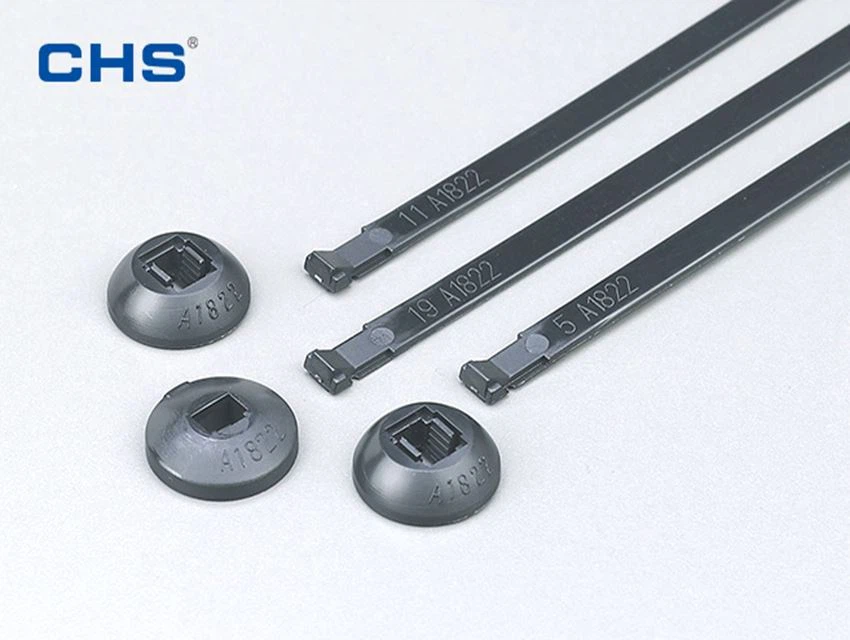
The primary locking mechanism of cable tie handcuffs is the ratchet system. The ratchet is a small, toothed device within the head of the cable tie. When the strap is fed through the ratchet, the teeth on the strap engage with the teeth in the ratchet. As the strap is pulled tighter, the teeth lock together, preventing the strap from being pulled back out. This one - way locking action is what makes cable tie handcuffs so effective at restraining.
The design of the ratchet system is engineered to be extremely reliable. The teeth are carefully shaped and sized to ensure a strong grip on the strap. Additionally, the materials used in cable tie handcuffs are chosen for their strength and durability. High - quality nylon is commonly used, which can withstand significant force without breaking or losing its locking ability.
Factors Affecting the Locking Performance
Several factors can affect the locking performance of cable tie handcuffs. One of the most important factors is the quality of the materials. Inferior - grade nylon may be more prone to cracking or breaking under stress, which can compromise the locking mechanism. As a supplier, we ensure that our cable tie handcuffs are made from high - quality nylon that meets strict industry standards.
The tension applied when securing the cable tie handcuffs also plays a crucial role. If the strap is not pulled tight enough, the teeth may not engage properly, and the handcuffs may come loose. On the other hand, if too much tension is applied, it can cause the strap to break or damage the ratchet mechanism. Proper training on how to use cable tie handcuffs is essential to ensure optimal locking performance.
Environmental conditions can also have an impact on the locking mechanism. Extreme temperatures, for example, can affect the flexibility and strength of the nylon. In very cold conditions, the nylon may become brittle, increasing the risk of breakage. In hot and humid environments, the nylon may expand slightly, which could potentially affect the engagement of the teeth in the ratchet.
Additional Locking Features
Some cable tie handcuffs may come with additional locking features to enhance security. For example, some models have a double - ratchet system. This means that there are two sets of teeth and ratchets, providing an extra layer of security. If one ratchet fails for some reason, the other can still hold the strap in place.

There are also cable tie handcuffs with a tamper - evident feature. These handcuffs are designed in such a way that if someone tries to remove or tamper with them, it will be obvious. This can be useful in law enforcement situations, where it is important to be able to prove that the handcuffs have not been interfered with.
Our Product Range and Advantages
As a cable tie handcuffs supplier, we offer a wide range of products to meet different needs. In addition to standard cable tie handcuffs, we also provide Anti Skid Cable Tie, Chassis Cable Ties, and Mounted Head Cable Ties.
Our anti - skid cable ties are designed with a special texture on the strap, which provides better grip and prevents slippage. This is especially useful in applications where the cable ties need to hold objects firmly in place. Our chassis cable ties are strong and durable, making them suitable for use in industrial and automotive applications. The mounted head cable ties have a unique design that allows them to be easily attached to a surface, providing a convenient way to organize cables.
We take pride in the quality of our products. All our cable tie handcuffs and related products are rigorously tested to ensure they meet or exceed industry standards. Our manufacturing process is highly controlled, and we use only the best materials to ensure the reliability and performance of our products.
Contact Us for Procurement
If you are interested in our cable tie handcuffs or any of our other products, we invite you to contact us for procurement. We have a professional sales team that can provide you with detailed product information, pricing, and delivery options. Whether you are a law enforcement agency, an industrial company, or an individual in need of high - quality cable ties, we are here to meet your needs. We look forward to establishing a long - term business relationship with you and providing you with the best cable tie solutions.
References
- "Handcuffing Techniques and Equipment" - Law Enforcement Training Manual
- "Nylon Materials and Their Applications in Cable Ties" - Journal of Polymer Science
- "Industrial Safety and the Use of Restraint Devices" - Safety Engineering Journal
