


Hey there! As a supplier of Chassis Cable Ties, I often get asked whether these little guys break easily under stress. It's a valid question, especially when you're relying on them to keep your cables organized and secure. So, let's dive into this topic and find out what's what.
First off, let's talk about what chassis cable ties are. Chassis cable ties are designed to be used in various applications where you need to bundle and secure cables. They come in different sizes, materials, and colors, but their main job is to hold things together. You can find them in all sorts of places, from your home electronics to industrial machinery.
Now, the big question: do they break easily under stress? Well, it depends on a few factors.
Material Matters
One of the most important factors that determine how well a chassis cable tie can handle stress is the material it's made from. The two most common materials for cable ties are nylon and polyethylene (PE).
Nylon cable ties, like the Self Locking Nylon Cable Ties, are known for their strength and durability. Nylon is a tough synthetic polymer that can withstand a fair amount of tension. It has good resistance to abrasion, chemicals, and temperature changes. This means that nylon cable ties are less likely to break under normal stress conditions. They're a popular choice for applications where you need a reliable and long - lasting cable management solution.
On the other hand, PE Ties are made from polyethylene. PE is a more flexible material compared to nylon. It's often used in applications where you need a bit more give, or where the cable tie won't be subjected to extremely high levels of stress. While PE ties are generally strong enough for many light - to medium - duty applications, they may break more easily than nylon ties under heavy stress.
Size and Design
The size and design of the chassis cable tie also play a crucial role in its ability to withstand stress. Thicker and wider cable ties can usually handle more tension than thinner and narrower ones. A wider tie has more surface area, which distributes the stress more evenly across the tie. This reduces the likelihood of the tie breaking at a single point.
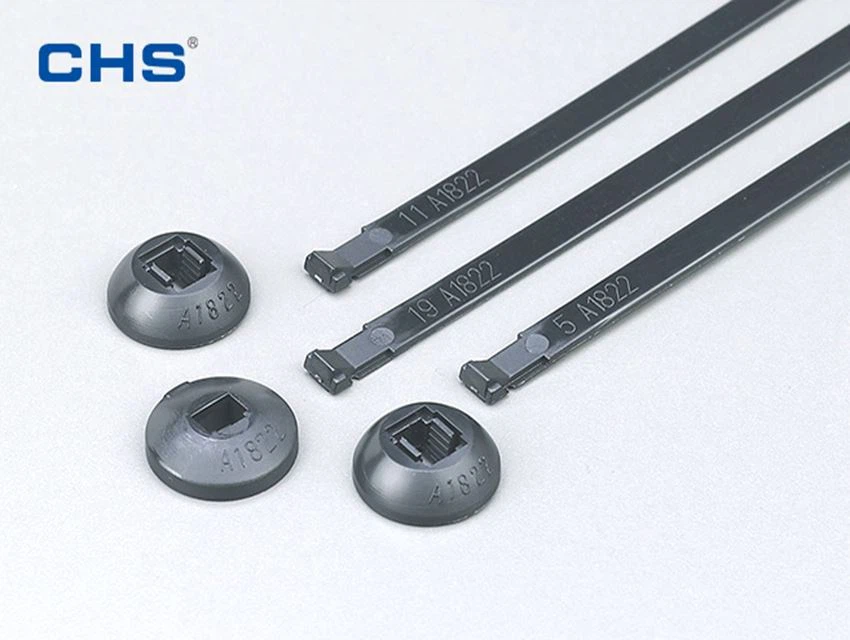

The design of the locking mechanism is also important. A well - designed locking mechanism ensures that the tie stays securely in place once it's tightened. If the locking mechanism is weak or poorly designed, the tie may come loose or break under stress. Our Chassis Cable Ties are engineered with high - quality locking mechanisms to provide a reliable hold.
Environmental Conditions
The environment in which the cable ties are used can have a significant impact on their performance. Extreme temperatures, humidity, and exposure to chemicals can all weaken the cable ties over time.
For example, in high - temperature environments, nylon cable ties may become softer and more prone to breaking. On the other hand, in very cold temperatures, both nylon and PE ties can become brittle, making them more likely to snap under stress. Humidity can also cause corrosion in some cases, especially if the cable ties are made from materials that are not resistant to moisture.
Installation
How you install the cable ties can also affect their ability to withstand stress. If you over - tighten a cable tie, you can put too much stress on it, which may cause it to break. On the other hand, if you don't tighten it enough, the tie may come loose and not provide the necessary cable management. It's important to follow the manufacturer's guidelines for installation to ensure that the cable ties are installed correctly.
Testing and Quality Control
At our company, we take the quality of our chassis cable ties very seriously. We conduct a series of tests to ensure that our ties can withstand the stress they're likely to encounter in real - world applications. These tests include tension tests, where we measure the maximum amount of force a tie can withstand before breaking. We also test the ties for their resistance to environmental factors such as temperature, humidity, and chemicals.
By investing in high - quality materials, precise manufacturing processes, and rigorous quality control, we can offer our customers chassis cable ties that are reliable and durable.
Conclusion
So, do chassis cable ties break easily under stress? The answer is that it depends on the material, size, design, environmental conditions, and installation. While some cable ties may be more prone to breaking than others, with the right choice and proper installation, you can ensure that your cable ties will provide a long - lasting and reliable cable management solution.
If you're in the market for high - quality chassis cable ties, we're here to help. We offer a wide range of cable ties made from different materials and in various sizes to meet your specific needs. Whether you need ties for a small home project or a large industrial application, we've got you covered.
If you're interested in learning more about our Chassis Cable Ties or have any questions about cable management, don't hesitate to reach out. We're always happy to have a chat and help you find the best solution for your needs. Let's start a conversation about how we can work together to keep your cables organized and secure.
References
- "Plastics for Engineering Applications" - A comprehensive guide on different plastic materials used in engineering, including nylon and polyethylene.
- Industry standards and guidelines for cable tie manufacturing and performance testing.
