


In the dynamic landscape of industrial fastening solutions, in line cable ties have emerged as indispensable tools for organizing and securing cables across a multitude of sectors. As a leading supplier of in line cable ties, I am often confronted with a pivotal question from our clients and industry peers: Do in line cable ties meet industry standards? This blog post aims to delve deep into this query, exploring the critical aspects of industry standards, the compliance of in line cable ties, and the implications for businesses relying on these essential components.
Understanding Industry Standards for Cable Ties
Industry standards serve as the bedrock of quality, safety, and performance in the manufacturing and use of cable ties. These standards are established by recognized organizations such as the International Electrotechnical Commission (IEC), the Underwriters Laboratories (UL), and the American Society for Testing and Materials (ASTM). They define the requirements for various properties of cable ties, including material composition, tensile strength, flammability, and chemical resistance.
Material composition is a fundamental aspect of industry standards. Cable ties are commonly made from nylon, a versatile and durable thermoplastic. Nylon offers excellent mechanical properties, such as high tensile strength and flexibility, making it suitable for a wide range of applications. Industry standards specify the type of nylon to be used, typically nylon 6/6, which provides superior performance compared to other grades.
Tensile strength is another critical parameter. It measures the maximum amount of force a cable tie can withstand before breaking. Industry standards set minimum tensile strength requirements based on the size and application of the cable tie. For example, in electrical installations, cable ties need to have sufficient tensile strength to secure cables firmly in place, even under vibration or mechanical stress.
Flammability is a significant concern, especially in environments where fire safety is paramount. Industry standards classify cable ties based on their flammability ratings, such as UL 94 V-2, V-1, or V-0. A higher flammability rating indicates better fire resistance, reducing the risk of fire spread in case of an electrical fault or other ignition sources.
Chemical resistance is also important, particularly in industrial settings where cable ties may be exposed to various chemicals, solvents, or corrosive substances. Industry standards define the resistance of cable ties to different chemicals, ensuring their long-term durability and performance in harsh environments.
Compliance of In Line Cable Ties with Industry Standards
At our company, we are committed to producing in line cable ties that meet or exceed the most stringent industry standards. Our manufacturing processes are carefully monitored and controlled to ensure consistent quality and compliance.
We use high-quality nylon 6/6 material in the production of our in line cable ties. This material has been extensively tested and proven to meet the requirements of industry standards for material composition. It offers excellent mechanical properties, including high tensile strength, flexibility, and resistance to abrasion.
Our in line cable ties are available in a variety of sizes, each with a specific tensile strength rating. We conduct regular testing on our products to ensure that they meet or exceed the minimum tensile strength requirements specified by industry standards. This ensures that our cable ties can securely hold cables in place, even in demanding applications.
In terms of flammability, our in line cable ties are designed to meet the UL 94 V-2 or higher flammability rating. This means that they have a low flammability and are less likely to contribute to the spread of fire in case of an emergency. We conduct rigorous flammability testing on our products to ensure their compliance with these standards.
We also pay close attention to chemical resistance. Our in line cable ties are formulated to resist a wide range of chemicals, solvents, and corrosive substances. This makes them suitable for use in industrial environments where they may be exposed to harsh chemicals or other contaminants.
The Importance of Using Compliant In Line Cable Ties
Using in line cable ties that meet industry standards is crucial for several reasons. Firstly, it ensures the safety of personnel and equipment. Compliant cable ties are less likely to break or fail under normal operating conditions, reducing the risk of electrical hazards, equipment damage, or workplace accidents.
Secondly, it helps businesses comply with regulatory requirements. Many industries, such as electrical, automotive, and aerospace, have strict regulations regarding the use of cable ties. Using compliant products ensures that businesses meet these requirements and avoid potential legal issues.
Thirdly, it enhances the reliability and longevity of cable management systems. Compliant in line cable ties are designed to withstand the rigors of daily use, including vibration, temperature changes, and exposure to chemicals. This helps to prevent cable damage, signal interference, and other problems that can affect the performance of electrical and electronic systems.
Our Product Range
We offer a comprehensive range of in line cable ties to meet the diverse needs of our customers. Our product portfolio includes Self Locking Nylon Cable Tie, Releasable Push Mount Cable Tie, and Chassis Cable Ties.
Self locking nylon cable ties are the most commonly used type of cable tie. They feature a self-locking mechanism that allows for easy installation and secure fastening. These cable ties are available in a variety of sizes and colors, making them suitable for a wide range of applications.
Releasable push mount cable ties are designed for applications where cables need to be easily installed and removed. They feature a push mount design that allows for quick and easy installation, and a releasable mechanism that allows for easy removal without damaging the cable tie or the cable.
Chassis cable ties are specifically designed for use in automotive and other applications where cables need to be secured to a chassis or other metal surface. They feature a special design that provides a secure grip on the metal surface, preventing the cable tie from slipping or coming loose.
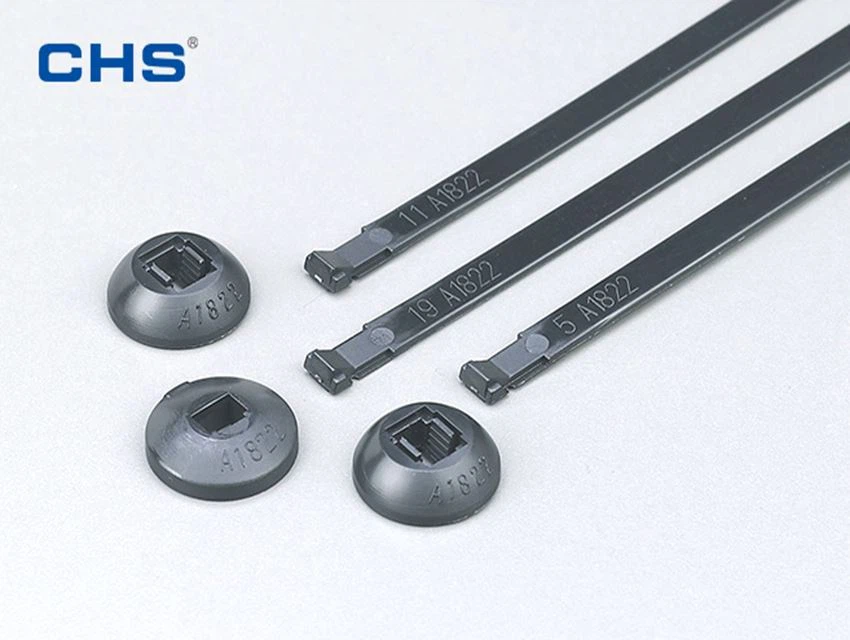

Contact Us for Procurement
If you are in the market for high-quality in line cable ties that meet industry standards, look no further. Our team of experts is ready to assist you in selecting the right cable ties for your specific needs. We offer competitive pricing, fast delivery, and excellent customer service.
Whether you are a small business or a large corporation, we have the expertise and resources to meet your cable tie requirements. Contact us today to start a procurement discussion and discover how our in line cable ties can enhance your cable management systems.
References
- International Electrotechnical Commission (IEC) standards
- Underwriters Laboratories (UL) standards
- American Society for Testing and Materials (ASTM) standards
