


Buckle cable ties, essential tools in various industries, are known for their reliability and versatility in bundling and securing cables. As a seasoned supplier of buckle cable ties, I've had the privilege of witnessing firsthand the diverse applications and the importance of understanding the materials they're made of. In this blog, I'll delve into the common materials used in manufacturing buckle cable ties, their properties, and how they cater to different needs.
Nylon
Nylon is perhaps the most widely used material for buckle cable ties, and for good reason. It offers a unique combination of strength, durability, and flexibility that makes it suitable for a wide range of applications. Nylon cable ties are typically made from nylon 6 or nylon 6/6, both of which have excellent mechanical properties.
One of the key advantages of nylon is its high tensile strength. This means that nylon buckle cable ties can withstand significant pulling forces without breaking, making them ideal for securing heavy bundles of cables or wires. Additionally, nylon has good resistance to abrasion, which helps prevent the ties from wearing out over time, even when they're in contact with rough surfaces.
Nylon is also resistant to a variety of chemicals, including oils, solvents, and many cleaning agents. This makes it suitable for use in industrial environments where exposure to chemicals is common. Moreover, nylon has a relatively high melting point, which allows it to maintain its integrity in high-temperature applications.
Our Nylon Marker Cable Tie is a prime example of a nylon-based buckle cable tie. These ties are not only strong and durable but also feature a built-in marker for easy identification of cables. They're commonly used in data centers, telecommunications, and electrical installations.
Polypropylene
Polypropylene is another material used in the production of buckle cable ties. It's a lightweight and cost-effective alternative to nylon, making it a popular choice for applications where strength requirements are not as high.
Polypropylene has good chemical resistance, particularly to acids and alkalis. It's also resistant to moisture, which makes it suitable for use in outdoor or humid environments. However, compared to nylon, polypropylene has lower tensile strength and is more prone to UV degradation. This means that it may not be the best choice for applications that require long-term exposure to sunlight or heavy loads.
Despite these limitations, polypropylene buckle cable ties are widely used in packaging, agriculture, and general household applications. They're often used for bundling lightweight items or for temporary cable management.
Stainless Steel
Stainless steel buckle cable ties are designed for applications that require extreme strength, durability, and resistance to harsh environments. They're commonly used in industrial settings, marine applications, and aerospace industries.
Stainless steel offers excellent corrosion resistance, making it suitable for use in saltwater environments or areas with high levels of humidity. It also has a high melting point and can withstand high temperatures, making it ideal for applications where fire safety is a concern.
One of the main drawbacks of stainless steel buckle cable ties is their weight. They're significantly heavier than nylon or polypropylene ties, which can be a disadvantage in applications where weight is a critical factor. Additionally, stainless steel ties are more expensive than their plastic counterparts.
Our Metal Detectable Cable Ties are made from a special type of stainless steel that can be detected by metal detectors. These ties are commonly used in the food and pharmaceutical industries to prevent contamination.
PVC
PVC (Polyvinyl Chloride) is a versatile plastic material that's sometimes used in the production of buckle cable ties. PVC ties are known for their flexibility and resistance to moisture, making them suitable for indoor and outdoor applications.
PVC has good electrical insulation properties, which makes it a popular choice for electrical installations. It's also resistant to a variety of chemicals, although it may not be as resistant as nylon or stainless steel.
One of the main advantages of PVC buckle cable ties is their low cost. They're often used for temporary or low-stress applications, such as bundling cords around the house or in office settings.
Polyester
Polyester is a strong and durable material that's commonly used in the production of high-performance buckle cable ties. It offers excellent resistance to UV radiation, making it suitable for outdoor applications where long-term exposure to sunlight is expected.
Polyester also has good chemical resistance and can withstand a wide range of temperatures. It's often used in automotive, aerospace, and industrial applications where reliability and durability are crucial.
Our Chassis Cable Ties are made from high-quality polyester and are designed for use in automotive and electronics applications. They offer a secure and reliable way to bundle and organize cables within the chassis of a vehicle or electronic device.
Choosing the Right Material
When choosing the right material for your buckle cable ties, it's important to consider the specific requirements of your application. Factors such as strength, durability, chemical resistance, temperature resistance, and cost should all be taken into account.
If you need a strong and durable tie for heavy-duty applications, nylon or stainless steel may be the best choice. For applications that require flexibility and moisture resistance, PVC or polypropylene may be more suitable. And if you're working in an outdoor environment, polyester or UV-resistant nylon ties are recommended.

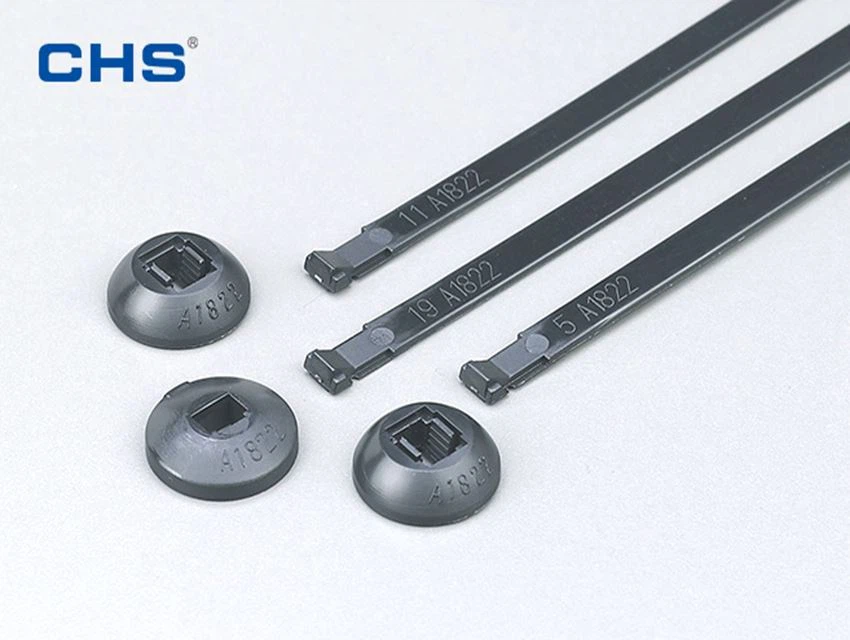
As a supplier of buckle cable ties, we understand the importance of providing high-quality products that meet the diverse needs of our customers. We offer a wide range of cable ties made from different materials, each designed to provide the best performance in specific applications.
Contact Us for Procurement
If you're in the market for buckle cable ties and need help choosing the right material for your application, we're here to assist you. Our team of experts can provide you with detailed information about our products and help you make an informed decision.
Whether you're a small business looking for a cost-effective solution or a large corporation in need of high-performance cable ties, we have the products and expertise to meet your requirements. Contact us today to discuss your procurement needs and let us help you find the perfect buckle cable ties for your project.
References
- "Engineering Plastics Handbook" by O. Olabisi
- "Materials Science and Engineering: An Introduction" by William D. Callister Jr. and David G. Rethwisch
- Industry standards and specifications for cable ties from relevant organizations
