


When it comes to managing audio cables, one of the common questions that often arises is whether in line cable ties can be used for bundling them. As a supplier of In Line Cable Ties, I am here to provide a comprehensive analysis of this topic, exploring the feasibility, benefits, and potential considerations when using in line cable ties for audio cable bundling.
Feasibility of Using In Line Cable Ties for Audio Cables
In line cable ties, also known as continuous length cable ties, are a type of cable management solution that offers flexibility and ease of use. They are designed to be cut to the desired length, making them suitable for bundling cables of various sizes and quantities. From a technical perspective, in line cable ties can indeed be used for bundling audio cables.
Audio cables, whether they are analog or digital, typically have a relatively small diameter and are made of flexible materials. In line cable ties can easily accommodate these cables, providing a secure and organized way to manage them. The adjustable length feature of in line cable ties allows you to customize the bundle size according to the number of audio cables you need to bundle, ensuring a neat and professional appearance.
Benefits of Using In Line Cable Ties for Audio Cables
1. Organization and Neatness
One of the primary benefits of using in line cable ties for audio cables is the improved organization and neatness they provide. In a professional audio setup, such as a recording studio or a live sound environment, there are often numerous audio cables running throughout the space. Without proper cable management, these cables can become tangled and messy, making it difficult to identify and access specific cables when needed.
By using in line cable ties to bundle the audio cables, you can keep them organized and prevent them from getting tangled. This not only makes the setup look more professional but also makes it easier to troubleshoot and maintain the audio system. For example, if you need to replace a faulty cable, you can quickly locate it within the organized bundle, saving time and effort.
2. Protection
In line cable ties can also provide some level of protection for audio cables. When cables are bundled together, they are less likely to be accidentally pulled or snagged, which can cause damage to the cables or their connectors. Additionally, the ties can help prevent the cables from rubbing against each other, which can lead to wear and tear over time.
3. Cost-Effectiveness
Compared to some other cable management solutions, in line cable ties are relatively inexpensive. They are available in bulk quantities, which makes them a cost-effective option for bundling large numbers of audio cables. This is especially beneficial for audio professionals who need to manage a large number of cables on a regular basis.
Considerations When Using In Line Cable Ties for Audio Cables
1. Material Compatibility
When choosing in line cable ties for audio cables, it is important to consider the material compatibility. Audio cables are often made of sensitive materials, and some types of cable ties may contain chemicals or additives that could potentially damage the cables. It is recommended to choose cable ties made of high-quality, non-toxic materials that are safe for use with audio cables.
2. Tightness
It is important to ensure that the in line cable ties are not too tight when bundling audio cables. Over-tightening the ties can put excessive pressure on the cables, which can damage the insulation or the conductors inside the cables. On the other hand, if the ties are too loose, they may not provide a secure bundle, and the cables may still become tangled.
3. Environmental Conditions
The environmental conditions in which the audio cables will be used should also be considered. If the cables will be exposed to extreme temperatures, humidity, or other harsh conditions, it is important to choose in line cable ties that are designed to withstand these conditions. For example, some cable ties are made of materials that are resistant to UV rays, which makes them suitable for outdoor use.
Other Types of Cable Ties for Audio Cables
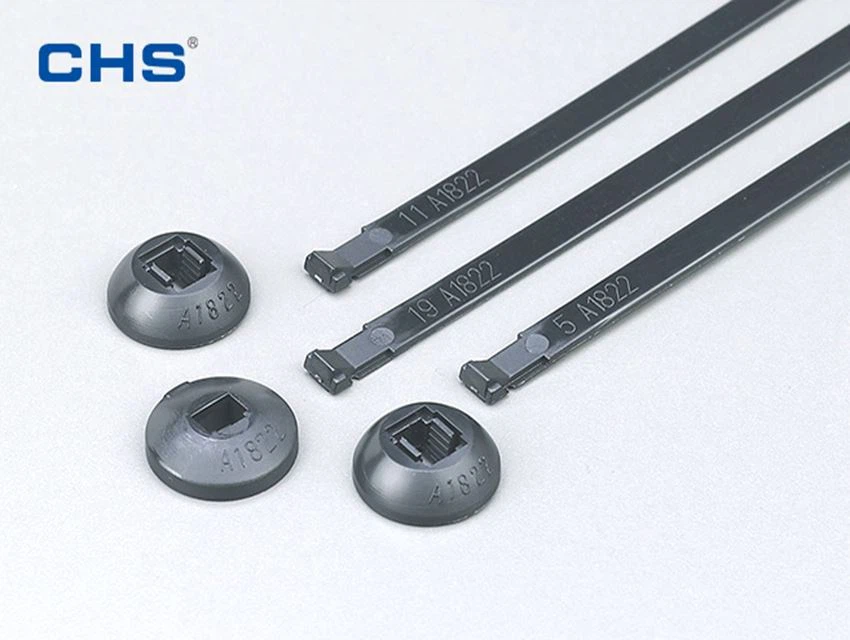
In addition to in line cable ties, there are other types of cable ties that can be used for bundling audio cables. For example, Plastic Security Seals Ties are a type of cable tie that provides an added level of security. They are often used in applications where it is important to prevent unauthorized access or tampering with the cables.
Expand Plug Cable Ties are another option. These cable ties are designed to be used with expandable plugs, which makes them suitable for bundling cables in tight spaces or through small holes.
Chassis Cable Ties are specifically designed for use in electronic equipment. They are often used to secure cables to the chassis or frame of the equipment, providing a stable and organized cable management solution.
Conclusion
In conclusion, in line cable ties can be a practical and effective solution for bundling audio cables. They offer several benefits, including improved organization, protection, and cost-effectiveness. However, it is important to consider the material compatibility, tightness, and environmental conditions when using in line cable ties for audio cables.
If you are looking for a reliable and high-quality in line cable tie solution for your audio cables, please feel free to contact us for more information. We are a professional supplier of in line cable ties and other cable management products, and we are committed to providing our customers with the best products and services. We look forward to discussing your specific needs and helping you find the right cable management solution for your audio setup.

References
- "Cable Management Best Practices for Audio Systems." Sound & Video Contractor.
- "The Importance of Proper Cable Management in Audio Installations." Pro Sound News.
- "Choosing the Right Cable Ties for Your Audio Cables." Electronics Notes.
