


As a supplier of Mounted Head Cable Ties, I often receive inquiries from customers about the suitability of our products for outdoor use. This is a crucial question, as the outdoor environment presents unique challenges that can affect the performance and durability of cable ties. In this blog post, I will delve into the factors that determine whether Mounted Head Cable Ties can be used outdoors and provide insights to help you make an informed decision.
Understanding Mounted Head Cable Ties
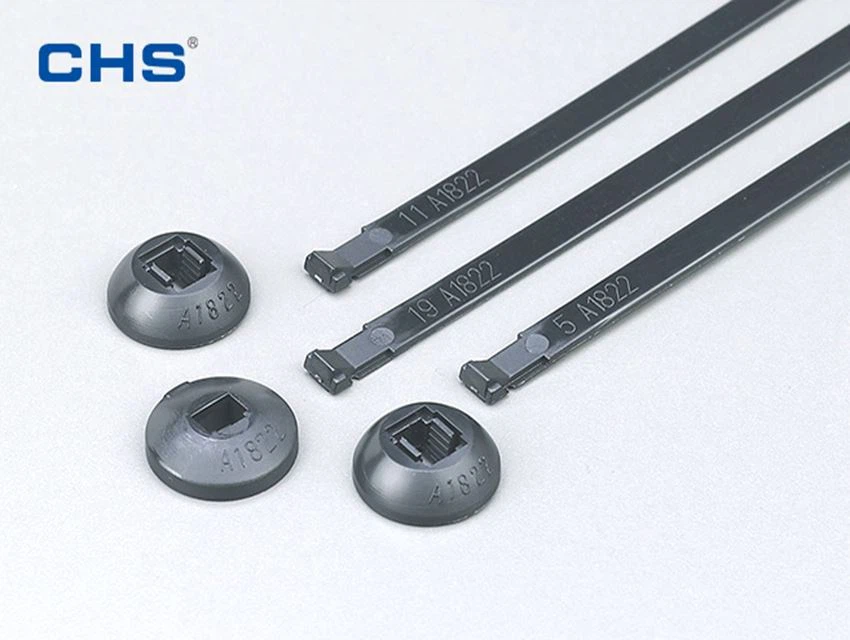
Before discussing their outdoor applicability, let's first understand what Mounted Head Cable Ties are. These cable ties are designed with a mounting head that allows for easy installation on various surfaces, such as panels, racks, and enclosures. They are commonly used in industrial, commercial, and residential settings to organize and secure cables, wires, and hoses.
Mounted Head Cable Ties come in different materials, sizes, and colors to meet diverse application requirements. The most common materials include nylon, which offers excellent strength, flexibility, and resistance to abrasion and chemicals. Other materials, such as stainless steel, may be used for applications that require high corrosion resistance.
Factors Affecting Outdoor Use
Several factors need to be considered when determining whether Mounted Head Cable Ties can be used outdoors. These factors include:
1. Weather Conditions
Outdoor environments are exposed to a wide range of weather conditions, including sunlight, rain, snow, heat, and cold. Sunlight, in particular, can cause the degradation of certain materials over time. Ultraviolet (UV) rays can break down the molecular structure of nylon cable ties, making them brittle and prone to cracking. To withstand UV exposure, cable ties should be made from UV-stabilized nylon.
Rain and snow can also pose challenges, as they can cause the cable ties to become wet and potentially lead to corrosion, especially if the ties are made from metal or if there are exposed metal components. In addition, extreme temperatures can affect the flexibility and strength of the cable ties. For example, cold temperatures can make nylon cable ties more rigid, while high temperatures can cause them to soften and lose their holding power.
2. Chemical Exposure
Outdoor areas may be exposed to various chemicals, such as pesticides, fertilizers, solvents, and industrial pollutants. These chemicals can react with the material of the cable ties, causing them to deteriorate or lose their integrity. It is important to choose cable ties that are resistant to the specific chemicals present in the outdoor environment.

3. Mechanical Stress
Outdoor cable ties may be subjected to mechanical stress, such as vibrations, wind, and physical impact. These forces can cause the cable ties to loosen or break, especially if they are not properly installed or if they are overloaded. It is essential to select cable ties with sufficient strength and flexibility to withstand the mechanical stresses they will encounter.
4. Installation Location
The location where the cable ties will be installed also plays a role in their outdoor performance. For example, cable ties installed in areas with high humidity or near bodies of water may be more susceptible to corrosion. Similarly, cable ties installed in areas with high traffic or where they may be easily damaged by human or animal activity need to be more robust.
Suitable Mounted Head Cable Ties for Outdoor Use
Based on the factors mentioned above, here are some types of Mounted Head Cable Ties that are suitable for outdoor use:
1. UV-Stabilized Nylon Cable Ties
UV-stabilized nylon cable ties are specifically designed to resist the harmful effects of UV radiation. These cable ties are formulated with additives that absorb and dissipate UV rays, preventing them from causing damage to the nylon material. UV-stabilized nylon cable ties are ideal for outdoor applications where they will be exposed to sunlight for extended periods.
2. Stainless Steel Cable Ties
Stainless steel cable ties offer excellent corrosion resistance, making them suitable for outdoor environments where there is a high risk of exposure to moisture, chemicals, or saltwater. They are also strong and durable, able to withstand high mechanical stresses. However, stainless steel cable ties are generally more expensive than nylon cable ties and may be heavier.
3. Coated or Galvanized Cable Ties
Coated or galvanized cable ties can provide an additional layer of protection against corrosion. These cable ties are typically made from nylon or steel and are coated with a protective layer, such as zinc or a polymer coating. The coating helps to prevent the underlying material from coming into contact with moisture and chemicals, extending the lifespan of the cable ties.
Advantages of Using Mounted Head Cable Ties Outdoors
Despite the challenges, there are several advantages to using Mounted Head Cable Ties outdoors:
1. Easy Installation
The mounting head of Mounted Head Cable Ties allows for quick and easy installation on various surfaces. This makes them a convenient option for outdoor applications where time and ease of installation are important factors.
2. Secure Cable Management
Mounted Head Cable Ties provide a secure way to organize and secure cables, wires, and hoses. They help to prevent cables from becoming tangled or damaged, reducing the risk of electrical hazards and equipment failure.
3. Versatility
Mounted Head Cable Ties come in a variety of sizes and styles, making them suitable for a wide range of outdoor applications. Whether you need to secure small cables in a residential garden or large industrial cables in a factory yard, there is a Mounted Head Cable Tie that can meet your needs.
Other Types of Cable Ties for Outdoor Use
In addition to Mounted Head Cable Ties, there are other types of cable ties that may be suitable for outdoor use. These include:
1. Chassis Cable Ties
Chassis Cable Ties are designed for use in applications where a low-profile and secure cable management solution is required. They are often used in automotive, aerospace, and industrial applications. Some chassis cable ties are made from UV-stabilized nylon, making them suitable for outdoor use.
2. In Line Cable Ties
In Line Cable Ties are used to bundle multiple cables together in a linear fashion. They are commonly used in telecommunications, data centers, and electrical installations. Like Mounted Head Cable Ties, in line cable ties can be made from UV-stabilized nylon for outdoor applications.
3. Releasable Nylon Cable Ties
Releasable Nylon Cable Ties allow for easy adjustment and removal of cables. They are useful in applications where cables may need to be reorganized or replaced over time. Some releasable nylon cable ties are also available in UV-stabilized versions for outdoor use.
Conclusion
In conclusion, Mounted Head Cable Ties can be used outdoors, provided that the appropriate type of cable tie is selected based on the specific outdoor environment and application requirements. Factors such as weather conditions, chemical exposure, mechanical stress, and installation location should all be taken into consideration.
UV-stabilized nylon cable ties, stainless steel cable ties, and coated or galvanized cable ties are all good options for outdoor use. Additionally, other types of cable ties, such as chassis cable ties, in line cable ties, and releasable nylon cable ties, can also be suitable depending on the application.
If you are considering using Mounted Head Cable Ties or other types of cable ties for your outdoor project, I encourage you to contact us for more information. Our team of experts can help you select the right cable ties for your needs and provide guidance on installation and maintenance. We are committed to providing high-quality cable ties and excellent customer service. Let's work together to ensure the success of your outdoor cable management project.
References
- "Cable Tie Handbook," Panduit Corporation.
- "Understanding the Basics of Cable Ties," TE Connectivity.
- "UV Resistance of Nylon Materials," DuPont.
