


Shear strength is a critical mechanical property that determines the performance and reliability of nylon cable ties in various applications. As a leading supplier of nylon cable ties, we understand the importance of shear strength and its impact on the functionality of our products. In this blog post, we will delve into the concept of shear strength, its significance for nylon cable ties, and how it relates to the different types of cable ties we offer.
Understanding Shear Strength
Shear strength refers to the maximum amount of shear stress a material can withstand before it fails. Shear stress occurs when two parallel forces act in opposite directions on a material, causing it to deform or break along a plane parallel to the forces. In the context of nylon cable ties, shear strength is the force required to cut or break the tie when a lateral force is applied across its width.
The shear strength of a nylon cable tie is influenced by several factors, including the material composition, the cross-sectional area of the tie, and the manufacturing process. Nylon is a popular choice for cable ties due to its high strength, flexibility, and resistance to abrasion, chemicals, and UV radiation. The specific type of nylon used, such as nylon 6 or nylon 6/6, can also affect the shear strength of the cable tie.
Significance of Shear Strength in Nylon Cable Ties
The shear strength of nylon cable ties is crucial for ensuring their effectiveness in securing cables, wires, and other components. In applications where cables are subjected to vibrations, movement, or external forces, a cable tie with insufficient shear strength may fail, leading to loose cables, electrical hazards, or equipment damage.
For example, in automotive applications, cable ties are used to secure wiring harnesses in engines, where they are exposed to high temperatures, vibrations, and mechanical stresses. A cable tie with low shear strength may break under these conditions, causing the wiring harness to become loose and potentially leading to electrical malfunctions or short circuits.
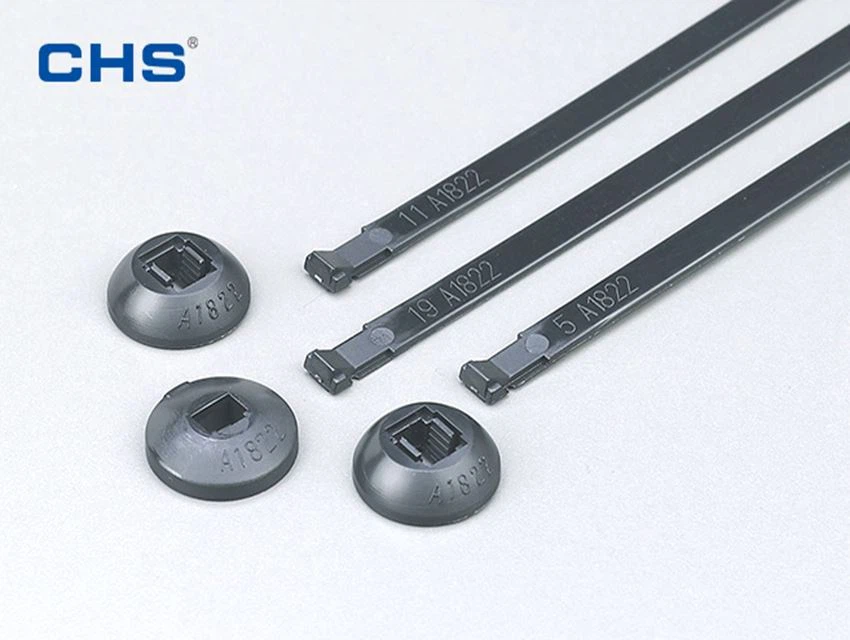

In industrial settings, cable ties are used to organize and secure cables in machinery and equipment. If a cable tie fails due to low shear strength, it can result in cable entanglement, which can interfere with the operation of the equipment and pose a safety risk to workers.
Types of Nylon Cable Ties and Their Shear Strength
At our company, we offer a wide range of nylon cable ties to meet the diverse needs of our customers. Each type of cable tie is designed with specific features and characteristics to provide optimal performance in different applications. Here are some of the common types of nylon cable ties we offer and their shear strength considerations:
Chassis Cable Ties
Chassis Cable Ties are designed for use in applications where a secure and permanent fastening solution is required. These cable ties typically have a high shear strength and are resistant to environmental factors such as heat, moisture, and chemicals. They are commonly used in automotive, aerospace, and electronics industries to secure cables and components to chassis or frames.
In Line Cable Ties
In Line Cable Ties are used to bundle multiple cables together in a straight line. These cable ties are available in various sizes and strengths to accommodate different cable diameters and application requirements. In line cable ties typically have a moderate shear strength and are suitable for applications where the cables are not subjected to excessive lateral forces.
Double Locking Cable Ties
Double Locking Cable Ties feature a unique double-locking mechanism that provides enhanced security and prevents the tie from loosening or coming undone. These cable ties have a high shear strength and are ideal for applications where a strong and reliable fastening solution is required, such as in heavy-duty industrial or marine environments.
Testing and Quality Assurance
To ensure the quality and performance of our nylon cable ties, we conduct rigorous testing and quality assurance procedures. Our cable ties are tested for shear strength, tensile strength, and other mechanical properties to meet or exceed industry standards.
We use state-of-the-art testing equipment and techniques to accurately measure the shear strength of our cable ties. During the testing process, a cable tie is placed in a testing machine, and a lateral force is applied across its width until it fails. The maximum force required to break the cable tie is recorded as the shear strength.
In addition to shear strength testing, we also perform other quality control checks, such as visual inspections, dimensional measurements, and material analysis, to ensure that our cable ties meet the highest standards of quality and reliability.
Choosing the Right Nylon Cable Tie Based on Shear Strength
When selecting a nylon cable tie for a specific application, it is important to consider the shear strength requirements. Here are some factors to keep in mind:
- Application Environment: Consider the environmental conditions in which the cable tie will be used, such as temperature, humidity, chemicals, and mechanical stresses. Choose a cable tie with a shear strength that is suitable for these conditions.
- Cable Size and Weight: The size and weight of the cables or components being secured will also affect the shear strength requirements. Larger and heavier cables may require a cable tie with a higher shear strength.
- Expected Load: Estimate the amount of force that the cable tie will be subjected to in the application. This includes both static and dynamic loads, such as vibrations and movement. Choose a cable tie with a shear strength that can withstand these loads.
Conclusion
The shear strength of nylon cable ties is a critical factor that determines their performance and reliability in various applications. By understanding the concept of shear strength, its significance for nylon cable ties, and the different types of cable ties available, you can make an informed decision when selecting a cable tie for your specific needs.
At our company, we are committed to providing high-quality nylon cable ties with excellent shear strength and other mechanical properties. Our team of experts can help you choose the right cable tie for your application and provide you with the technical support and guidance you need.
If you are interested in learning more about our nylon cable ties or have any questions about shear strength or other product specifications, please do not hesitate to contact us. We look forward to discussing your requirements and helping you find the best cable tie solution for your project.
References
- ASTM International. (2023). ASTM D1002 - 10(2019) Standard Test Method for Apparent Shear Strength of Single-Lap-Joint Adhesive Bonds by Tension Loading of Single-Lap-Joint Specimens at Room Temperature.
- PlasticsEurope. (2023). Nylon - Polyamides (PA).
- Engineering ToolBox. (2023). Shear Strength of Materials.
